Hello all,
This is an extension to Han’s hack on social bookmarking links. Please view the original hack here.
Working on Hans’s original hack, I have added a few more Social bookmarking links to it and also made changes to its JavaScript code (that goes into the head section of the template).
The links and the JavaScript (js) code are in one text file that can be downloaded from here. If you are already using Han’s hack, and wish to add more links to it, replace the original js code with the one that I have provided in the text file.
Code to be replaced:
<script src='http://home.planet.nl/~hansoosting/downloads/beautifulbeta.js' type='text/javascript'/>
If you require any help, please let me know.
Sunday, October 01, 2006
Saturday, September 30, 2006
Anne Frank: The Diary of a young girl (Book Review 006)
ISBN: 0553296981
I had finished reading Anne Frank: The Diary of a young girl a few days ago. This book is the most popular war documentary of the Second World War and perhaps of all times. It was published in 1947 and since then it has been translated into more than thirty languages and adapted for theatre film and television. In her introduction to the diary's first American edition, Eleanor Roosevelt described it as "one of the wisest and most moving commentaries on war and its impact on human beings that I have ever read". The Soviet writer Ilya Ehrenburg had said: "one voice speaks for six million—the voice not of a sage or a poet but of an ordinary little girl".
 About the author
This book is the diary of a girl by name Anne Frank who lived in Amsterdam during the Second World War. She, her family and her brethren were the victims of the draconian and ghastly policies adopted by the Nazi government (Third Reich) of Germany.
The book contains good details about Anne Frank’s early years. As per the information given, Anne Frank had learnt using short-hand and even developed secret codes of her own at the age of fourteen. I still cannot do that. Another aspect that struck me, was that Anne was very widely read and spent most of her time during their 25 months of stay in “secret Annexe” (their secret hiding place) reading and learning. The variety of subjects which she had covered was broad and over-whelming.
Anne’s biographer Melissa Müller said that she wrote "in a precise, confident, economical style stunning in its honesty". Her writing is largely a study of characters, and she examines every person in her circle with a shrewd, uncompromising eye. She is occasionally cruel and often biased, particularly in her depictions of Fritz Pfeffer and of her own mother, and Müller explains that she channeled the "normal mood swings of adolescence" into her writing. Her examination of herself and her surroundings is sustained over a lengthy period of time in an introspective, analytical and highly self critical manner, and in moments of frustration she relates the battle being fought within herself between the "good Anne" she wants to be, and the "bad Anne" she believes herself to be.
The Diary
The first entry in the diary is dated 14th June, 1942 i.e. when Anne was 14 years old and the last entry is dated 1st August, 1944. Anne Frank had started using this diary just a few months before they moved into their secret hiding place to escape the Gestapo (German Police) who had called Anne’s sister Margot for deportation to one of their concentration camps.
As this diary covers the life of a common girl, it has some thing of interest for every one. The initial entries reflect the good mood of the writer and slowly (as they move into and stay in their secret hiding place) it gets serious. This does not mean that when Anne started writing this Diary all was well for Jews. Nazis were all over Holland and discrimination was in full swing. Jews were asked to wear yellow star badges when in public and Jewish children could only attend Jewish schools.
The Secret Annexe was a contingency plan devised by Anne’s father Otto Frank (the only surviving member of the family (died in 1980)) and some of his co-workers at their office, to escape arrests by the Gestapo. Along with the Franks, there was another family. The Van Daans (3) and one Mr. Albert Dussel (Otto Frank’s acquaintance and a dentist by profession, who joined in later) also took shelter in the Secret Annexe.
Anne’s diary contains a vivid description of the hiding place, the daily schedule of the people living in there and her own musings. The diary shows the straining relationships between Anne and her parents (particularly her mother) as well as between the other members living there. Readers must understand that Anne or other members of the Annexe could not come out in open, even to breathe fresh air. They lived in a constant fear of being discovered and deported to concentration camps. In addition, they faced limited rations, food supply shortages, sanitation problems and severe emotional challenges which most of us might (and should) never experience in our lives.
Towards the middle of the diary, Anne Frank falls in love with Peter (only son of the Van Daans) and both of them share a sweet and secret intimacy which she covers in good detail in her diary. This episode in her life, gives her respite and the feeling of being loved (which she missed from her family). There are certain entries where Anne expresses guilt and seems confused/ contradictory with reference to her relationship with her parents. Towards the end of the Diary Anne starts writing more about the politics and the Allied invasion of Nazi captured regions. With the invasion and news of progress coming in at regular intervals, the “Annexers” were sure that the Nazi rule would soon end and they would once again be free. The diary ends with the last entry on August 1, 1944.
On 3rd August, 1944, a Dutch informer thrashed their hopes and Gestapo penetrated into their secret hiding place, arresting all of them along with their helpers. After the arrest, grim fate awaited the Annexers and other Jews of the region. The Annexers were among the last lot of the Jews to be sent from Holland to the concentration camps. According to the available information, Anne’s mother died in a concentration camp, followed by her sister Margot and then Anne herself. Similarly, other annexers also died except for Otto Frank who survived and was liberated by the Russian army.
When I started reading the book, I knew that Anne Frank was a victim of Nazi oppression, with no specific feelings about it. But after I completed the book I felt sad and out-of-place as though a close relative of mine was involved. This is a powerful book and people of any age group can relate to it very easily. Also, readers should remember that Anne Frank was just one among millions who were butchered for nothing and take home, the lessons learnt regarding the horrors of war.
I had finished reading Anne Frank: The Diary of a young girl a few days ago. This book is the most popular war documentary of the Second World War and perhaps of all times. It was published in 1947 and since then it has been translated into more than thirty languages and adapted for theatre film and television. In her introduction to the diary's first American edition, Eleanor Roosevelt described it as "one of the wisest and most moving commentaries on war and its impact on human beings that I have ever read". The Soviet writer Ilya Ehrenburg had said: "one voice speaks for six million—the voice not of a sage or a poet but of an ordinary little girl".
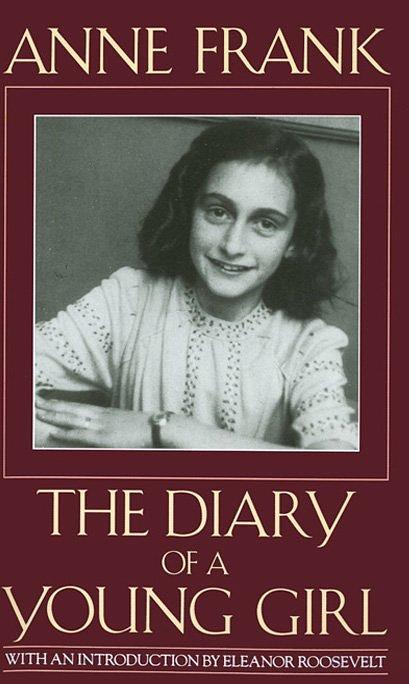 About the author
This book is the diary of a girl by name Anne Frank who lived in Amsterdam during the Second World War. She, her family and her brethren were the victims of the draconian and ghastly policies adopted by the Nazi government (Third Reich) of Germany.
The book contains good details about Anne Frank’s early years. As per the information given, Anne Frank had learnt using short-hand and even developed secret codes of her own at the age of fourteen. I still cannot do that. Another aspect that struck me, was that Anne was very widely read and spent most of her time during their 25 months of stay in “secret Annexe” (their secret hiding place) reading and learning. The variety of subjects which she had covered was broad and over-whelming.
Anne’s biographer Melissa Müller said that she wrote "in a precise, confident, economical style stunning in its honesty". Her writing is largely a study of characters, and she examines every person in her circle with a shrewd, uncompromising eye. She is occasionally cruel and often biased, particularly in her depictions of Fritz Pfeffer and of her own mother, and Müller explains that she channeled the "normal mood swings of adolescence" into her writing. Her examination of herself and her surroundings is sustained over a lengthy period of time in an introspective, analytical and highly self critical manner, and in moments of frustration she relates the battle being fought within herself between the "good Anne" she wants to be, and the "bad Anne" she believes herself to be.
The Diary
The first entry in the diary is dated 14th June, 1942 i.e. when Anne was 14 years old and the last entry is dated 1st August, 1944. Anne Frank had started using this diary just a few months before they moved into their secret hiding place to escape the Gestapo (German Police) who had called Anne’s sister Margot for deportation to one of their concentration camps.
As this diary covers the life of a common girl, it has some thing of interest for every one. The initial entries reflect the good mood of the writer and slowly (as they move into and stay in their secret hiding place) it gets serious. This does not mean that when Anne started writing this Diary all was well for Jews. Nazis were all over Holland and discrimination was in full swing. Jews were asked to wear yellow star badges when in public and Jewish children could only attend Jewish schools.
The Secret Annexe was a contingency plan devised by Anne’s father Otto Frank (the only surviving member of the family (died in 1980)) and some of his co-workers at their office, to escape arrests by the Gestapo. Along with the Franks, there was another family. The Van Daans (3) and one Mr. Albert Dussel (Otto Frank’s acquaintance and a dentist by profession, who joined in later) also took shelter in the Secret Annexe.
Anne’s diary contains a vivid description of the hiding place, the daily schedule of the people living in there and her own musings. The diary shows the straining relationships between Anne and her parents (particularly her mother) as well as between the other members living there. Readers must understand that Anne or other members of the Annexe could not come out in open, even to breathe fresh air. They lived in a constant fear of being discovered and deported to concentration camps. In addition, they faced limited rations, food supply shortages, sanitation problems and severe emotional challenges which most of us might (and should) never experience in our lives.
Towards the middle of the diary, Anne Frank falls in love with Peter (only son of the Van Daans) and both of them share a sweet and secret intimacy which she covers in good detail in her diary. This episode in her life, gives her respite and the feeling of being loved (which she missed from her family). There are certain entries where Anne expresses guilt and seems confused/ contradictory with reference to her relationship with her parents. Towards the end of the Diary Anne starts writing more about the politics and the Allied invasion of Nazi captured regions. With the invasion and news of progress coming in at regular intervals, the “Annexers” were sure that the Nazi rule would soon end and they would once again be free. The diary ends with the last entry on August 1, 1944.
On 3rd August, 1944, a Dutch informer thrashed their hopes and Gestapo penetrated into their secret hiding place, arresting all of them along with their helpers. After the arrest, grim fate awaited the Annexers and other Jews of the region. The Annexers were among the last lot of the Jews to be sent from Holland to the concentration camps. According to the available information, Anne’s mother died in a concentration camp, followed by her sister Margot and then Anne herself. Similarly, other annexers also died except for Otto Frank who survived and was liberated by the Russian army.
When I started reading the book, I knew that Anne Frank was a victim of Nazi oppression, with no specific feelings about it. But after I completed the book I felt sad and out-of-place as though a close relative of mine was involved. This is a powerful book and people of any age group can relate to it very easily. Also, readers should remember that Anne Frank was just one among millions who were butchered for nothing and take home, the lessons learnt regarding the horrors of war.
Thursday, September 28, 2006
Wings of Fire - Arun Tiwari and APJ Abdul Kalam (Book Review 005)
ISBN: 8173711461
Tagline: An autobiography of APJ Abdul Kalam with Arun Tiwari
“Wings of fire” was perhaps the first book which I had read completely and which was not a part of my school or college syllabus :-). I had read this book in 2003 i.e. after Dr. Kalam was appointed the President of India. As I was not into the habit of reading then, I wondered if I would be able to finish this book but I did finish it and within a short time too. In this book, almost every third line which Dr. Kalam speaks appears to collectible quote. I had re-read the book in 2004 and still experienced the same feeling of awe in which I was left when I had read this book a year ago.
 About the Author
As per the preface, Arun Tiwari had worked with Dr. Kalam for over a decade and was involved in the project on “Akash” missile airframe. Arun was so fascinated by Dr. Kalam’s range of ideas and thought process that he decided to pen down Dr. Kalam’s recollections before they get buried irretrievably under the sands of time.
Arun Tiwari has done a commendable job and I am glad that the life of this great scientist did not go undocumented.
Wings of Fire
“Wings of Fire” is the life story of Dr. Avul Pakir Jainulabdeen Abdul Kalam, the 11th President of India. A notable scientist and an engineer, Dr. Kalam is often referred to as the Missile Man of India. He played a key role in developing India’s first and indigenously made: ballistic missiles, hovercraft, Nuclear-strike capable missiles and made immense contribution to the Guided Missiles Development programme and various ISRO projects.
Dr. Kalam was born at Rameswaram in Dhanushkodi, Tamil Nadu, to a working class Tamil Muslim family. He received his degree in aeronautical engineering from the Madras Institute of Technology in 1958.
He joined India's Defense Research and Development Organization (DRDO) upon graduation to work on a hovercraft project. In 1962, Dr. Kalam moved to the Indian Space Research Organization (ISRO), where his team successfully launched several satellites. He made a significant contribution as Project Director to develop India's first indigenous Satellite Launch Vehicle (SLV-III) which successfully placed the Rohini satellite into near earth orbit in July 1980.
In 1982, Kalam returned to the DRDO as Director, focusing on Indigenous guided missiles. He was responsible for the development and operational success of the Agni and Prithvi missiles. This earned him the sobriquet "India's missile-man". He also helped in the formulation of healthcare products using technology developed for missiles.
In July 1992, Kalam became a Scientific Advisor to India's Defense Minister. As the Principal Scientific Advisor to the Indian government, he held the rank of a Cabinet Minister. His work led to the successful Pokhran-II nuclear tests in 1998, which reiterated India's position as a nuclear weapon state. Kalam was also the Chairman, Ex-officio, of the Scientific Advisory Committee to the Cabinet (SAC-C) and piloted the "India Millennium Mission 2020". (Short summary picked from wikipedia)
Kalam has the unique distinction of having received honorary doctorates from at least thirty universities, as also India's three highest civilian honors: the Padma Bhushan in 1981; the Padma Vibhushan in 1990; and the Bharat Ratna in 1997.
In this book, Dr. Kalam has described the various projects he undertook and shows how a person can manage a large team of experts without any formal knowledge in project management and team dynamics. He never fails to acknowledge his co-workers, team members and others of importance, throughout the book. The book is dotted with snippets of poetry and hymns that Dr. Kalam is fond of and has collected over his life time.
Dr. Kalam is one of the few Indian scientists who had the opportunity to work with Indian space research stalwarts like Dr. Vikram Sarabhai and interact with pioneers of missile technology like Wernher Von Braun. His works have put India on the nuclear map of the world and made it a part of an elite club of nations. In the words of the man himself:
Another quote from the book:
I strongly suggest that this book be read to know/understand the man behind India's burst into the international arena of the elites as far as its defense capabilities are concerned.
Tagline: An autobiography of APJ Abdul Kalam with Arun Tiwari
“Wings of fire” was perhaps the first book which I had read completely and which was not a part of my school or college syllabus :-). I had read this book in 2003 i.e. after Dr. Kalam was appointed the President of India. As I was not into the habit of reading then, I wondered if I would be able to finish this book but I did finish it and within a short time too. In this book, almost every third line which Dr. Kalam speaks appears to collectible quote. I had re-read the book in 2004 and still experienced the same feeling of awe in which I was left when I had read this book a year ago.
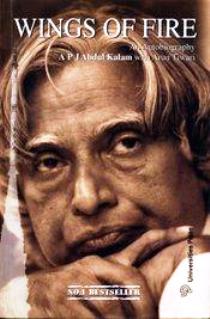 About the Author
As per the preface, Arun Tiwari had worked with Dr. Kalam for over a decade and was involved in the project on “Akash” missile airframe. Arun was so fascinated by Dr. Kalam’s range of ideas and thought process that he decided to pen down Dr. Kalam’s recollections before they get buried irretrievably under the sands of time.
Arun Tiwari has done a commendable job and I am glad that the life of this great scientist did not go undocumented.
Wings of Fire
“Wings of Fire” is the life story of Dr. Avul Pakir Jainulabdeen Abdul Kalam, the 11th President of India. A notable scientist and an engineer, Dr. Kalam is often referred to as the Missile Man of India. He played a key role in developing India’s first and indigenously made: ballistic missiles, hovercraft, Nuclear-strike capable missiles and made immense contribution to the Guided Missiles Development programme and various ISRO projects.
Dr. Kalam was born at Rameswaram in Dhanushkodi, Tamil Nadu, to a working class Tamil Muslim family. He received his degree in aeronautical engineering from the Madras Institute of Technology in 1958.
He joined India's Defense Research and Development Organization (DRDO) upon graduation to work on a hovercraft project. In 1962, Dr. Kalam moved to the Indian Space Research Organization (ISRO), where his team successfully launched several satellites. He made a significant contribution as Project Director to develop India's first indigenous Satellite Launch Vehicle (SLV-III) which successfully placed the Rohini satellite into near earth orbit in July 1980.
In 1982, Kalam returned to the DRDO as Director, focusing on Indigenous guided missiles. He was responsible for the development and operational success of the Agni and Prithvi missiles. This earned him the sobriquet "India's missile-man". He also helped in the formulation of healthcare products using technology developed for missiles.
In July 1992, Kalam became a Scientific Advisor to India's Defense Minister. As the Principal Scientific Advisor to the Indian government, he held the rank of a Cabinet Minister. His work led to the successful Pokhran-II nuclear tests in 1998, which reiterated India's position as a nuclear weapon state. Kalam was also the Chairman, Ex-officio, of the Scientific Advisory Committee to the Cabinet (SAC-C) and piloted the "India Millennium Mission 2020". (Short summary picked from wikipedia)
Kalam has the unique distinction of having received honorary doctorates from at least thirty universities, as also India's three highest civilian honors: the Padma Bhushan in 1981; the Padma Vibhushan in 1990; and the Bharat Ratna in 1997.
In this book, Dr. Kalam has described the various projects he undertook and shows how a person can manage a large team of experts without any formal knowledge in project management and team dynamics. He never fails to acknowledge his co-workers, team members and others of importance, throughout the book. The book is dotted with snippets of poetry and hymns that Dr. Kalam is fond of and has collected over his life time.
Dr. Kalam is one of the few Indian scientists who had the opportunity to work with Indian space research stalwarts like Dr. Vikram Sarabhai and interact with pioneers of missile technology like Wernher Von Braun. His works have put India on the nuclear map of the world and made it a part of an elite club of nations. In the words of the man himself:
"Do not look at Agni as an entity directed upwards to deter the ominous or exhibit your might. It is fire in the heart of an Indian. Do not even give it the form of a missile as it clings to the burning pride of this nation and thus is bright."
Another quote from the book:
"Technology, unlike science, is a group activity. It is not based on an individual’s intelligence, but on the interacting intelligence of many."
I strongly suggest that this book be read to know/understand the man behind India's burst into the international arena of the elites as far as its defense capabilities are concerned.
Wednesday, September 27, 2006
Cluster maps finally
Yesterday, I was finally able to secure a clustermaps account for this blog. The registration service was blocked for a long time and I did not know any one who would invite me. However, they have reopened the registrations for now and those who wish to use this service, your time is now.
Clustermaps is a free online service that allows a website/blog to display the locations in the world from where its visitors hail. It is very popular and a cool service in my opinion. If you have a reasonable reader base, why not show-off :)). This service is a purely cosmetic add-on if you use Google Analytics to track your website traffic.
I do not recommend using this service if most of your website’s readers are from one small region or if your website is heavily loaded with scripts/flash as this thing will affect the page-load time of your site by a pretty good number.
Clustermaps is a free online service that allows a website/blog to display the locations in the world from where its visitors hail. It is very popular and a cool service in my opinion. If you have a reasonable reader base, why not show-off :)). This service is a purely cosmetic add-on if you use Google Analytics to track your website traffic.
I do not recommend using this service if most of your website’s readers are from one small region or if your website is heavily loaded with scripts/flash as this thing will affect the page-load time of your site by a pretty good number.
Tuesday, September 26, 2006
Freakonomics – Levitt & Dubner (Book Review 004)
ISBN: 006073132X
Tagline: A rogue economist explores the hidden side of everything.
I had completed reading Freakonomics over a month ago and was pretty much glued to it then. However, now that I have decided to pick up The world is flat and a few Malcolm Gladwell’s books, I thought that I should finish this book’s review so that I do not mix things up.
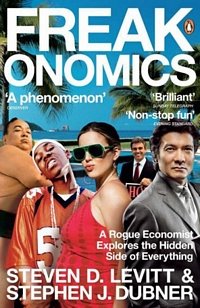 About the authors
I am not an avid reader, probably that’s why I may have not read any thing else from *any* of these authors, ever before. Freakonomics has been authored by Steven D. Levitt and Stephen J. Dubner.
Steven D. Levitt has done his PhD (I guess in economics) from MIT, teaches economics at the University of Chicago and is the winner of American Economic Association’s John Bates Clark Medal, awarded every two years to the best American economist under forty.
Stephen J. Dubner writes for The New York Times and the New Yorker, and is the best selling author of Turbulent Souls and Confessions of a Hero-Worshipper.
Unlike many other economists, who cover stuff like economic growth, GDP, inflation, demand and supply etc and bore you with a load of math, Levitt’s work is based on riddles of every day life. Riddles that atleast I have never even imagined. Levitt believes that economics is a science with excellent tools for gaining answers but a serious shortage of interesting questions.
Freakonomics
I found it a little difficult to write a review for this book and I don’t exactly know why. My problem was that I did not know how to start it. It has answered such varied, complex and seemingly irrelevant questions in such a simple manner that I was spell-bounded by it.
Why did the crime graph in U.S. nose-dive when everyone predicted that it’s going to rise and become horrific? Levitt has an answer that seems all encompassing and the most appropriate. I was so impressed by his startling answer that I could readily apply it to the situation in India as well but in a slightly different manner. It was so intriguing but simple that I could associate it with Malthus's essays on population and realized how bad it can get for India.
In modern world, we have an expert for every thing and always prefer to employ their services to get our work done. For example, if you want to invest in stock market or get your money growing, you may seek advice from an investment expert. If you wish to buy a house or a land, you seek advice from a local real estate agent and perhaps even hire the agent or a broker to sell/ buy stuff. Levitt in this book shows that the modern world, despite a surfeit of obfuscation, complication and deceit, is not impenetrable. The authors expose the game of deceit played by real estate agents to make quick money, in this book.
Using collected sets of data and analytical approach, Levitt exposes the dark side of school teachers and Sumo wrestlers. If you think how can Sumo Wrestlers and School teachers be related or analyzed by the same approach, you got to read this book. In the chapter on drug dealers, Levitt actually uses the financial data of a crack (tiny rocks of cheap smokeable cocaine) dealing gang to reveal startling facts about these gangs that a common man would have never been able to learn. He also writes about the affect the crack dealing business has had on the literacy levels and demographic parameters of the African-American population.
Other chapters cover topics like crime, parenting, names of people etc pose and answer a number of questions like Why the 1960s were a great time to be a criminal? Why capital punishment doesn’t deter criminals? What is the reason for extreme crime reduction in certain states when compared to others? Why parenting experts like to scare parent to death? Which is more dangerous: a gun or a swimming pool?
After I completed this book I was left craving for more. I want to read more of such stuff, more such questions and their answers. I would love to read a Freakonomics 2 with more intriguing riddles and their answers. This book is fun to read and I recommend you try it if you haven’t already.
Tagline: A rogue economist explores the hidden side of everything.
I had completed reading Freakonomics over a month ago and was pretty much glued to it then. However, now that I have decided to pick up The world is flat and a few Malcolm Gladwell’s books, I thought that I should finish this book’s review so that I do not mix things up.
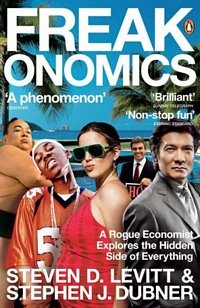 About the authors
I am not an avid reader, probably that’s why I may have not read any thing else from *any* of these authors, ever before. Freakonomics has been authored by Steven D. Levitt and Stephen J. Dubner.
Steven D. Levitt has done his PhD (I guess in economics) from MIT, teaches economics at the University of Chicago and is the winner of American Economic Association’s John Bates Clark Medal, awarded every two years to the best American economist under forty.
Stephen J. Dubner writes for The New York Times and the New Yorker, and is the best selling author of Turbulent Souls and Confessions of a Hero-Worshipper.
Unlike many other economists, who cover stuff like economic growth, GDP, inflation, demand and supply etc and bore you with a load of math, Levitt’s work is based on riddles of every day life. Riddles that atleast I have never even imagined. Levitt believes that economics is a science with excellent tools for gaining answers but a serious shortage of interesting questions.
Freakonomics
I found it a little difficult to write a review for this book and I don’t exactly know why. My problem was that I did not know how to start it. It has answered such varied, complex and seemingly irrelevant questions in such a simple manner that I was spell-bounded by it.
Why did the crime graph in U.S. nose-dive when everyone predicted that it’s going to rise and become horrific? Levitt has an answer that seems all encompassing and the most appropriate. I was so impressed by his startling answer that I could readily apply it to the situation in India as well but in a slightly different manner. It was so intriguing but simple that I could associate it with Malthus's essays on population and realized how bad it can get for India.
In modern world, we have an expert for every thing and always prefer to employ their services to get our work done. For example, if you want to invest in stock market or get your money growing, you may seek advice from an investment expert. If you wish to buy a house or a land, you seek advice from a local real estate agent and perhaps even hire the agent or a broker to sell/ buy stuff. Levitt in this book shows that the modern world, despite a surfeit of obfuscation, complication and deceit, is not impenetrable. The authors expose the game of deceit played by real estate agents to make quick money, in this book.
Using collected sets of data and analytical approach, Levitt exposes the dark side of school teachers and Sumo wrestlers. If you think how can Sumo Wrestlers and School teachers be related or analyzed by the same approach, you got to read this book. In the chapter on drug dealers, Levitt actually uses the financial data of a crack (tiny rocks of cheap smokeable cocaine) dealing gang to reveal startling facts about these gangs that a common man would have never been able to learn. He also writes about the affect the crack dealing business has had on the literacy levels and demographic parameters of the African-American population.
Other chapters cover topics like crime, parenting, names of people etc pose and answer a number of questions like Why the 1960s were a great time to be a criminal? Why capital punishment doesn’t deter criminals? What is the reason for extreme crime reduction in certain states when compared to others? Why parenting experts like to scare parent to death? Which is more dangerous: a gun or a swimming pool?
After I completed this book I was left craving for more. I want to read more of such stuff, more such questions and their answers. I would love to read a Freakonomics 2 with more intriguing riddles and their answers. This book is fun to read and I recommend you try it if you haven’t already.
Friday, September 22, 2006
Rake in feeds with blogger beta and OPML (updated)
I am not sure about classic blogger, but I can definitely tell about blogger beta, that it has a number of options to choose from as far as feeds are concerned. If you have the right idea, you can use all of these feeds to offer your readers the flexibility to choose what they wish to read and how.
Full posts feed of your blog:
http://[your blog].blogspot.com/feeds/posts/full (updated as per blogger buzz)
Summary posts feed of your blog:
http://[your blog].blogspot.com/feeds/posts/summary (updated as per blogger buzz)
Full post feed for a label (topic):
http://beta.blogger.com/feeds/[blog id]/posts/full/-/[label name]
Summary feed for a label (topic):
http://beta.blogger.com/feeds/[blog id]/posts/summary/-/[label name]
(or)
http://[Your Blog].blogspot.com/feeds/posts/default/-/[label name] (updated as per Phydeaus3)
Full comments feed:
http://beta.blogger.com/feeds/[blog id]/comments/full
(or)
http://[your blog].blogspot.com/feeds/comments/full (added as per blogger buzz)
Summary of Comments feed:
http://beta.blogger.com/feeds/[blog id]/comments/summary
(or)
http://[your blog].blogspot.com/feeds/comments/summary (added as per blogger buzz)
Phew! Did I miss some thing? With so many feeds to play, you can offer your readers with tremendous flexibility in choosing what they want to read and how. Realizing the benefits of this (especially in my blog where there are a many topics(labels)), I have revamped my feed subscribe section in the side bar. Using drop-down menus, I have tried to ensure that the readers get to choose what they want.
I picked up the code for the drop-downs from an article in Improbulus’s “A consuming experience”. However, the code for the drop-downs required some modification (I guess due to the differences between beta blogger and classic blogger). Here’s how a typical drop-down code looks:
<select id="feedURLs" onchange="var feedURL=this.options[this.selectedIndex].value;var feedTxt=this.options[this.selectedIndex].text;showFeed(feedURL,feedTxt)">
<option selected="selected" value="clear" >Select Full or Shorter Feed</option>
<option value="FULLFEEDURL">Full Site Feed</option>
<option value="EXCERPTSFEEDURL">Excerpt Site Feed</option>
<option value="HEADLINESURL">Headlines only Site Feed</option>
</select><br/>
Here is the modified version of this code that works with blogger beta:
<select id="feedURLs" onchange="var feedURL=this.options[this.selectedIndex].value;var feedTxt=this.options[this.selectedIndex].text;showFeed(feedURL,feedTxt)">
<option selected="selected" value="clear" />Select Full or Shorter Feed
<option value="FULLFEEDURL"/>Full Site Feed
<option value="EXCERPTSFEEDURL"/>Excerpt Site Feed
<option value="HEADLINESURL"/>Headlines only Site Feed
</select><br/>
Basically the </option> tag is eliminated to get this thing working here. I dressed up all the essential feeds of my blog using FeedBurner and then used them in the drop-downs. Feedburner also lets you create the OPML file for all the feeds that you have burned using it. Once you have the OPML file, upload it somewhere and provide a direct link to your readers so that they may download and incorporate it in their feed reader. To learn about OPML click here. To find out your blog id in beta, just scroll to the bottom of your blog and hover the mouse cursor on the link which reads "posts(atom)". The number after "feeds/" is your blog id.
Another update: If you wish to post HTML code in your blog you can use this tool to encode HTML code such that it can be displayed just the way it should appear to a reader. I had found this link in John’s FreshBlog.
Full posts feed of your blog:
http://[your blog].blogspot.com/feeds/posts/full (updated as per blogger buzz)
Summary posts feed of your blog:
http://[your blog].blogspot.com/feeds/posts/summary (updated as per blogger buzz)
Full post feed for a label (topic):
http://beta.blogger.com/feeds/[blog id]/posts/full/-/[label name]
Summary feed for a label (topic):
http://beta.blogger.com/feeds/[blog id]/posts/summary/-/[label name]
(or)
http://[Your Blog].blogspot.com/feeds/posts/default/-/[label name] (updated as per Phydeaus3)
Full comments feed:
http://beta.blogger.com/feeds/[blog id]/comments/full
(or)
http://[your blog].blogspot.com/feeds/comments/full (added as per blogger buzz)
Summary of Comments feed:
http://beta.blogger.com/feeds/[blog id]/comments/summary
(or)
http://[your blog].blogspot.com/feeds/comments/summary (added as per blogger buzz)
Phew! Did I miss some thing? With so many feeds to play, you can offer your readers with tremendous flexibility in choosing what they want to read and how. Realizing the benefits of this (especially in my blog where there are a many topics(labels)), I have revamped my feed subscribe section in the side bar. Using drop-down menus, I have tried to ensure that the readers get to choose what they want.
I picked up the code for the drop-downs from an article in Improbulus’s “A consuming experience”. However, the code for the drop-downs required some modification (I guess due to the differences between beta blogger and classic blogger). Here’s how a typical drop-down code looks:
<select id="feedURLs" onchange="var feedURL=this.options[this.selectedIndex].value;var feedTxt=this.options[this.selectedIndex].text;showFeed(feedURL,feedTxt)">
<option selected="selected" value="clear" >Select Full or Shorter Feed</option>
<option value="FULLFEEDURL">Full Site Feed</option>
<option value="EXCERPTSFEEDURL">Excerpt Site Feed</option>
<option value="HEADLINESURL">Headlines only Site Feed</option>
</select><br/>
Here is the modified version of this code that works with blogger beta:
<select id="feedURLs" onchange="var feedURL=this.options[this.selectedIndex].value;var feedTxt=this.options[this.selectedIndex].text;showFeed(feedURL,feedTxt)">
<option selected="selected" value="clear" />Select Full or Shorter Feed
<option value="FULLFEEDURL"/>Full Site Feed
<option value="EXCERPTSFEEDURL"/>Excerpt Site Feed
<option value="HEADLINESURL"/>Headlines only Site Feed
</select><br/>
Basically the </option> tag is eliminated to get this thing working here. I dressed up all the essential feeds of my blog using FeedBurner and then used them in the drop-downs. Feedburner also lets you create the OPML file for all the feeds that you have burned using it. Once you have the OPML file, upload it somewhere and provide a direct link to your readers so that they may download and incorporate it in their feed reader. To learn about OPML click here. To find out your blog id in beta, just scroll to the bottom of your blog and hover the mouse cursor on the link which reads "posts(atom)". The number after "feeds/" is your blog id.
Another update: If you wish to post HTML code in your blog you can use this tool to encode HTML code such that it can be displayed just the way it should appear to a reader. I had found this link in John’s FreshBlog.
Wednesday, September 20, 2006
Label feeds and peek-a-boo for sidebar (blogger beta)
Hello all,
I had read about label feeds somewhere a while ago but ignored the idea thinking that I won't need label feeds. Little did I realize that label feeds is a very good feature for a blog like mine where I got multiple categories that are fundamentally different.
So finally I implemented label feeds after reading about it from Phydeaux3's blog. Now, readers who are not interested in the main feed may subscribe to an individual category's feed like blogger hacks or book reviews etc.
Peek-a-boo for sidebar
I have noticed some requests for peek-a-boo in sidebars, in the Blogger help group. If you want Peek-a-boo type drop-downs for your sidebar, please visit Blog University to learn how to add them.
I had read about label feeds somewhere a while ago but ignored the idea thinking that I won't need label feeds. Little did I realize that label feeds is a very good feature for a blog like mine where I got multiple categories that are fundamentally different.
So finally I implemented label feeds after reading about it from Phydeaux3's blog. Now, readers who are not interested in the main feed may subscribe to an individual category's feed like blogger hacks or book reviews etc.
Peek-a-boo for sidebar
I have noticed some requests for peek-a-boo in sidebars, in the Blogger help group. If you want Peek-a-boo type drop-downs for your sidebar, please visit Blog University to learn how to add them.
Tuesday, September 19, 2006
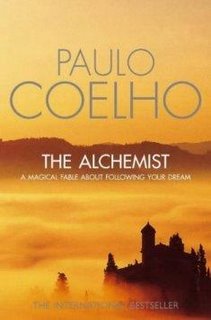
The Alchemist – Paulo Coelho (Book Review 003)
ISBN: 0062502182
Tagline: A Magical Fable about following your dream
This book review was long due. I had read this book over two years ago after a friend suggested it to me but never got a chance to pen down anything about it (I did not have a blog back then). After this book, I have read only one another book of Paulo Coelho, till date, i.e. Eleven Minutes and both the books were thoroughly immersive and fascinating.
 About the author
Though I have written about Paulo Coelho in the book review of Eleven Minutes, I would still mention a few lines about this author (source: Wikipedia and Coelho's official site).
Coelho was born in Rio de Janeiro, Brazil, where he attended law school, but in 1970 abandoned his studies to travel throughout Mexico, Peru, Bolivia, and Chile, as well as Europe and North Africa. Before dedicating his life completely to literature, he worked as theatre director and actor, lyricist and journalist.
In 1982 Coelho published his first book, Hell Archives, which failed to make any kind of impact. In 1985 he contributed to the Practical Manual of Vampirism, although he later tried to take it off the shelves, since he considered it “of bad quality”. In 1986, Paulo Coelho did the pilgrimage to Saint James of Compostella, an experience later to be documented in his book The Pilgrimage.
In the following year, Coelho published The Alchemist. Slow initial sales convinced his first publisher to drop the novel, but it went on to become one of the best selling Brazilian books of all time.
The Alchemist
This is a simple book of 196 pages in all but is sure to keep you glued from cover to cover if you have a taste for fables with a mix of medieval mysticism, love, spirituality and thrills.
The Alchemist is the story of a boy by name Santiago (haven’t you heard that before ;-)) and how he braved against all odds to follow his dream and reach his destiny. Santiago is an Andalusian shepherd, who one night has a dream about a hidden treasure near the Pyramids of Egypt. After much thought debate and questioning, he decides to leave every thing and go out on the treasure hunt. His journey takes him through the ports, the adjacent seas, cities and the ravenous Sahara Desert (which according to the book) houses many warring clans and a constant danger of life. Santiago meets many mystical people, follows omens and listens to his heart to distinguish between the right and the wrong. All along the way the nature seems to be conspiring in his favor. He meets his love; he meets the alchemist, braves against odds and finally gets to his treasure.
Well I have summarized the book pretty quickly but it’s the journey, the encounters that the boy had and the aura of mysticism along with a twist in the tale that makes this story such an interesting read for people of all age groups.
Paulo Coelho has done a brilliant job and this master-piece of his is a must read.
Tagline: A Magical Fable about following your dream
This book review was long due. I had read this book over two years ago after a friend suggested it to me but never got a chance to pen down anything about it (I did not have a blog back then). After this book, I have read only one another book of Paulo Coelho, till date, i.e. Eleven Minutes and both the books were thoroughly immersive and fascinating.
About the authorThough I have written about Paulo Coelho in the book review of Eleven Minutes, I would still mention a few lines about this author (source: Wikipedia and Coelho's official site).
Coelho was born in Rio de Janeiro, Brazil, where he attended law school, but in 1970 abandoned his studies to travel throughout Mexico, Peru, Bolivia, and Chile, as well as Europe and North Africa. Before dedicating his life completely to literature, he worked as theatre director and actor, lyricist and journalist.
In 1982 Coelho published his first book, Hell Archives, which failed to make any kind of impact. In 1985 he contributed to the Practical Manual of Vampirism, although he later tried to take it off the shelves, since he considered it “of bad quality”. In 1986, Paulo Coelho did the pilgrimage to Saint James of Compostella, an experience later to be documented in his book The Pilgrimage.
In the following year, Coelho published The Alchemist. Slow initial sales convinced his first publisher to drop the novel, but it went on to become one of the best selling Brazilian books of all time.
The Alchemist
This is a simple book of 196 pages in all but is sure to keep you glued from cover to cover if you have a taste for fables with a mix of medieval mysticism, love, spirituality and thrills.
The Alchemist is the story of a boy by name Santiago (haven’t you heard that before ;-)) and how he braved against all odds to follow his dream and reach his destiny. Santiago is an Andalusian shepherd, who one night has a dream about a hidden treasure near the Pyramids of Egypt. After much thought debate and questioning, he decides to leave every thing and go out on the treasure hunt. His journey takes him through the ports, the adjacent seas, cities and the ravenous Sahara Desert (which according to the book) houses many warring clans and a constant danger of life. Santiago meets many mystical people, follows omens and listens to his heart to distinguish between the right and the wrong. All along the way the nature seems to be conspiring in his favor. He meets his love; he meets the alchemist, braves against odds and finally gets to his treasure.
Well I have summarized the book pretty quickly but it’s the journey, the encounters that the boy had and the aura of mysticism along with a twist in the tale that makes this story such an interesting read for people of all age groups.
Paulo Coelho has done a brilliant job and this master-piece of his is a must read.
Monday, September 18, 2006
Open feed’s links in new window
Based on the hack/mod I suggested in my article on link-lists in blogger beta, I have extended the same idea to feed displays that one may have in their blog.
Feeds are a powerful and popular means of staying updated and they are also powerful distracters on a blog. If you have feeds to other blogs or news sites (like I have), it would be a good idea to use the code given below. If you are new to HTML etc just make sure you backup your template before proceeding with this hack.
Depending on the number of feeds you have in your blog, blogger names each feed widget as Feed1, Feed2 etc. To find out the blogger-assigned name of a particular feed widget, just hover your mouse cursor over the edit link of that widget in the layout -> page elements section of your blogger account and in the browser’s status bar you will see a link with the blogger assigned name a.k.a the widget ID.
http://beta.blogger.com/rearrange?blogID=[edited]&
widgetType=Feed&widgetId=Feed2&action=editWidget
However, this exercise may not be required if you have assigned a title to your feed widget. You can search for a particular feed widget’s code in your template using its title or the widget ID. Once you have located the feed widget you wish to modify, you should look for the following code in there. Look for the line which goes <a expr:href='data:i.alternate.href'… and add a target='_blank' to it and you are done. Simple isn’t it?
<b:widget id='Feed2' locked='false' title='Reuters: Top News' type='Feed'>
<b:includable id='main'>
[blah blah!]
<ul id='feedItemListDisplay'>
<b:loop values='data:feedData.items' var='i'>
<li>
<span class='item-title'>
<a expr:href='data:i.alternate.href' target='_blank'>
<data:i.title/>
</a>
</span>
I have applied this hack only to third-party feeds in my blog. If you are using your own feed to display recent posts etc this may not be required as even if some one clicks on a link in that feed widget, they remain on your blog.
As always, if you face any problems, just drop a line here and I shall look into it. Also note that this hack is only for blogger beta blogs.
Feeds are a powerful and popular means of staying updated and they are also powerful distracters on a blog. If you have feeds to other blogs or news sites (like I have), it would be a good idea to use the code given below. If you are new to HTML etc just make sure you backup your template before proceeding with this hack.
Depending on the number of feeds you have in your blog, blogger names each feed widget as Feed1, Feed2 etc. To find out the blogger-assigned name of a particular feed widget, just hover your mouse cursor over the edit link of that widget in the layout -> page elements section of your blogger account and in the browser’s status bar you will see a link with the blogger assigned name a.k.a the widget ID.
http://beta.blogger.com/rearrange?blogID=[edited]&
widgetType=Feed&widgetId=Feed2&action=editWidget
However, this exercise may not be required if you have assigned a title to your feed widget. You can search for a particular feed widget’s code in your template using its title or the widget ID. Once you have located the feed widget you wish to modify, you should look for the following code in there. Look for the line which goes <a expr:href='data:i.alternate.href'… and add a target='_blank' to it and you are done. Simple isn’t it?
<b:widget id='Feed2' locked='false' title='Reuters: Top News' type='Feed'>
<b:includable id='main'>
[blah blah!]
<ul id='feedItemListDisplay'>
<b:loop values='data:feedData.items' var='i'>
<li>
<span class='item-title'>
<a expr:href='data:i.alternate.href' target='_blank'>
<data:i.title/>
</a>
</span>
I have applied this hack only to third-party feeds in my blog. If you are using your own feed to display recent posts etc this may not be required as even if some one clicks on a link in that feed widget, they remain on your blog.
As always, if you face any problems, just drop a line here and I shall look into it. Also note that this hack is only for blogger beta blogs.
Subscribe to:
Posts (Atom)
Subscribe to my Newsfeeds:


This work is licensed under a
Creative Commons Attribution-ShareAlike 2.5 License.
Note: The author is not responsible for any loss of data or damages to your homepage as a result of using the hacks suggested here. Please observe all necessary precautions while modifying template code.
© 2006 Vivek Sanghi a.k.a Stubborn-Fanatic